Chengdu Travel Guide 2026: Pandas, Hotpot and What to Actually Prepare
Chengdu doesn't feel like the rest of China. It's slower, greener, and considerably spicier. People here take their tea seriously, their food even more seriously, and the general pace of life sits somewhere between relaxed and deeply unhurried. It's also home to the giant panda breeding base, which for many visitors is the whole reason they came. Here's what you actually need to know before you arrive.
Before You Arrive: The Passport Situation
Your passport is your only valid ID in China — not a photo of it, not a copy, the actual document. Keep it on you everywhere. Attractions, hotels, train stations and security checkpoints all do real-name verification, and there are no exceptions. Take a photo of your passport information page and save it offline on your phone as a backup, but carry the real thing.
Make sure your passport is valid for at least 6 months beyond your planned departure date and that your visa is current. Hotels will check this at check-in and refuse guests whose documents are out of order. It sounds obvious but it catches people out more than you'd expect.
Also write down the emergency contact number for your country's embassy or consulate in China before you leave home. You hopefully won't need it, but it's the kind of thing you want to have already when you do.
Chengdu Museum is closed on Mondays. Plan your museum days accordingly and don't make the same mistake I did showing up on a Monday morning.
Booking the Giant Panda Base

The pandas are most active in the morning — after about 11am they mostly sleep. Get there early.
Tickets release exactly 14 days in advance at 7pm. Book the morning session — entry from 7:30am to noon — because pandas are genuinely active in the morning and retreat indoors once the temperature rises. By early afternoon most of them are asleep and you're essentially looking at lumps of black and white fur in the shade.
The easiest booking method for foreign visitors is Trip.com (international version) or Klook — both have English interfaces, accept international credit cards, and don't require a Chinese phone number. The official WeChat mini program also works but sometimes asks for Chinese phone verification, which can be a problem if you don't have a local SIM yet.
When you arrive at the gate, go to the manual lane — the automatic gates are set up for Chinese ID cards. Show your passport and your booking confirmation. Staff there are used to foreign visitors and the process is quick.
Giant Panda Base: open 7:30am–6pm daily. Book 14 days in advance, tickets release at 7pm. Use Trip.com or Klook for the smoothest foreign visitor experience. Take bus 87 or a DiDi from the city center — about 40 minutes.
Other Attractions Worth Booking in Advance
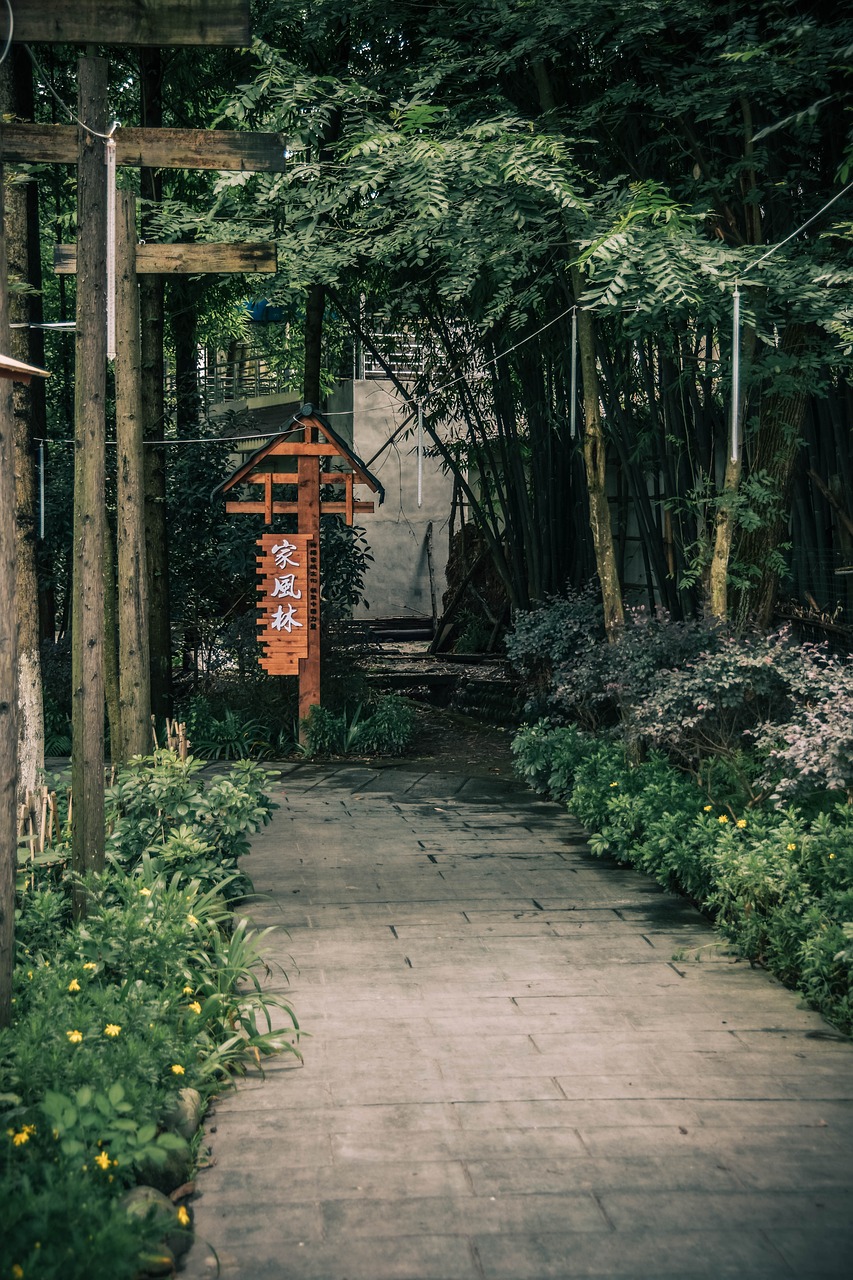
The quieter side of Chengdu — bamboo paths, old teahouses and a pace of life that feels genuinely different from Beijing or Shanghai.
Wuhou Shrine and Du Fu Thatched Cottage both open bookings 14 days ahead through their official WeChat accounts — select passport as your ID type and it works smoothly. Neither is as hard to get into as the Panda Base, but booking a day or two ahead saves you the uncertainty.
Sanxingdui Museum is one of the most extraordinary things I've seen in China — bronze masks and ritual objects from a civilization that existed before recorded Chinese history, completely unlike anything else in the country. Book 5 days ahead through Trip.com or Klook. It's in Guanghan, about 40 minutes from Chengdu by high-speed train from Chengdu East or South Station. Worth the trip out.
Chengdu Museum is free, requires booking 7 days ahead with your passport, and is closed Mondays. Pick up a free English audio guide at the service desk when you arrive — the exhibits don't have much English signage otherwise.
Food: The Real Reason to Come
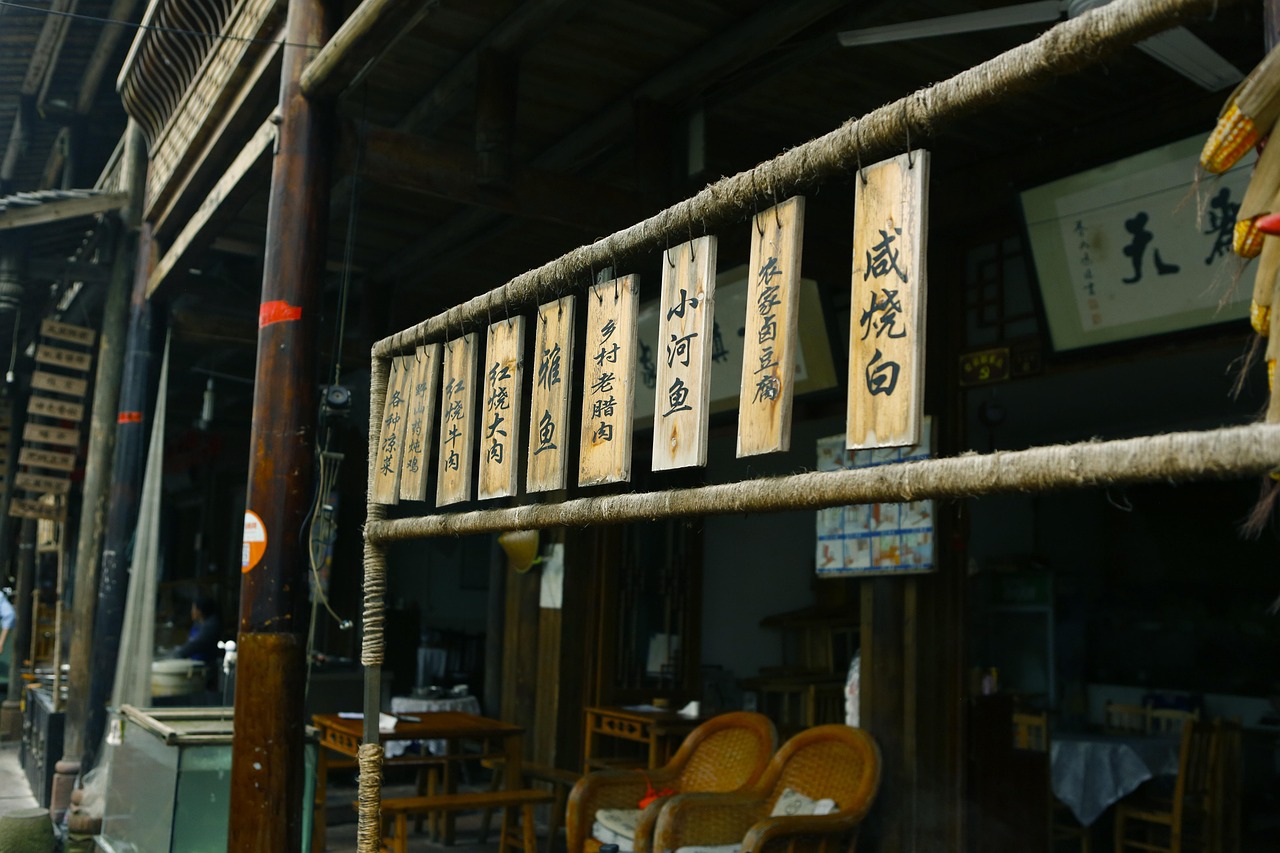
Old town Chengdu — wooden menu signs outside a traditional restaurant. The food here is genuinely different from anything you'll find outside Sichuan.
Sichuan food is not just spicy — it's specifically málà, which means numbing and spicy together from the combination of chili and Sichuan peppercorn. The peppercorn creates an actual tingling sensation on your tongue and lips that's unlike any other cuisine. If you've never had it, start with mild (微辣, wēi là) and work up from there. Your stomach will thank you.
Hotpot is the essential Chengdu experience. You get a bubbling pot of spiced broth at your table and cook thinly sliced meat, vegetables and offal in it yourself. The sesame dipping sauce cuts through the heat. Haoguo Ji and Shujiu Xiang are popular local chains that foreigners navigate easily — the menus have pictures and staff are used to non-Chinese speakers. Budget around ¥80-150 per person.
Dan dan noodles (担担面) are worth seeking out for a quick lunch — thin noodles with a sesame and chili sauce, ground pork, preserved vegetables. Usually under ¥20 from a street shop. Fuqi feipian is a cold dish of sliced beef and offal in a deeply flavored chili oil sauce — it sounds challenging but it's one of the best things on any Chengdu menu.
For something sweet to cool down after all that heat: bingfen (冰粉), a chilled jelly dessert with brown sugar syrup and various toppings, is everywhere in summer and genuinely refreshing. Costs a few yuan from any street cart.
Getting Around Chengdu
The metro covers the main areas well and is cheap — fares start at ¥2. Pay with Alipay or WeChat's transit QR code. If you'd rather have a physical card, take your passport to any metro station service window and they'll issue a Tianfutong card you can load with cash.
DiDi works well in Chengdu and has accepted international payment cards since 2024. It's the easiest option for getting to the Panda Base, Sanxingdui day trips or anywhere off the metro network. Download it before you arrive.
For day trips to Dujiangyan, Mount Qingcheng or Sanxingdui, take high-speed trains from Chengdu East or South Station. Buy tickets through Trip.com with your passport or at the station window. When boarding, go to the manual lane on the far side of the gates — the automatic readers are for Chinese ID cards. Show your passport to the staff there.
Ignore anyone outside train stations or the airport offering cheap private tours or rides. Stick to DiDi, official taxis, or legitimate tour operators booked through recognized platforms.
Order mildly spicy (微辣) for your first meal. Not medium, not "a little spicy" — specifically 微辣. Even mild Sichuan food has more heat than most people expect. You can always go hotter once you know what you're dealing with.
Accommodation and Check-in
Traditional courtyard guesthouses in the older parts of Chengdu offer a different experience from chain hotels — quieter, more atmospheric, and often cheaper.
International chain hotels (Hilton, Marriott, Intercontinental) handle foreign passport check-in smoothly — their staff are trained for it and the process is quick. Domestic chains like Hanting and Ji Hotel are cheaper and perfectly comfortable, though occasionally the front desk has less experience with foreign documents. Either works.
If you book a private guesthouse or homestay, the host is legally required to register your stay with local authorities within 24 hours. Reputable hosts handle this automatically — just make sure to ask if it's not offered. Without proper registration, you could have issues if there's any official check.
Budget chains near metro stations run ¥150-300 per night. Mid-range is ¥300-600. The areas around Tianfu Square and Chunxi Road are central and well-connected. The Kuanzhai Alley neighborhood has more character but slightly less metro convenience.